
My Journey:
Jack Nicklaus described golf as a “never-ending pursuit of an unattainable goal”. After three decades navigating that pursuit—from the Big Ten to the PGA Tour—I have come to view instruction not as a series of technical "fixes," but as an act of stewardship.
I believe the role of a coach is to protect the student from information overload by providing only what they need to succeed. My own journey is a testament to the fact that while the "how" of the swing matters, the "where" of our intention and the resilience of our character are what truly define us on the course.
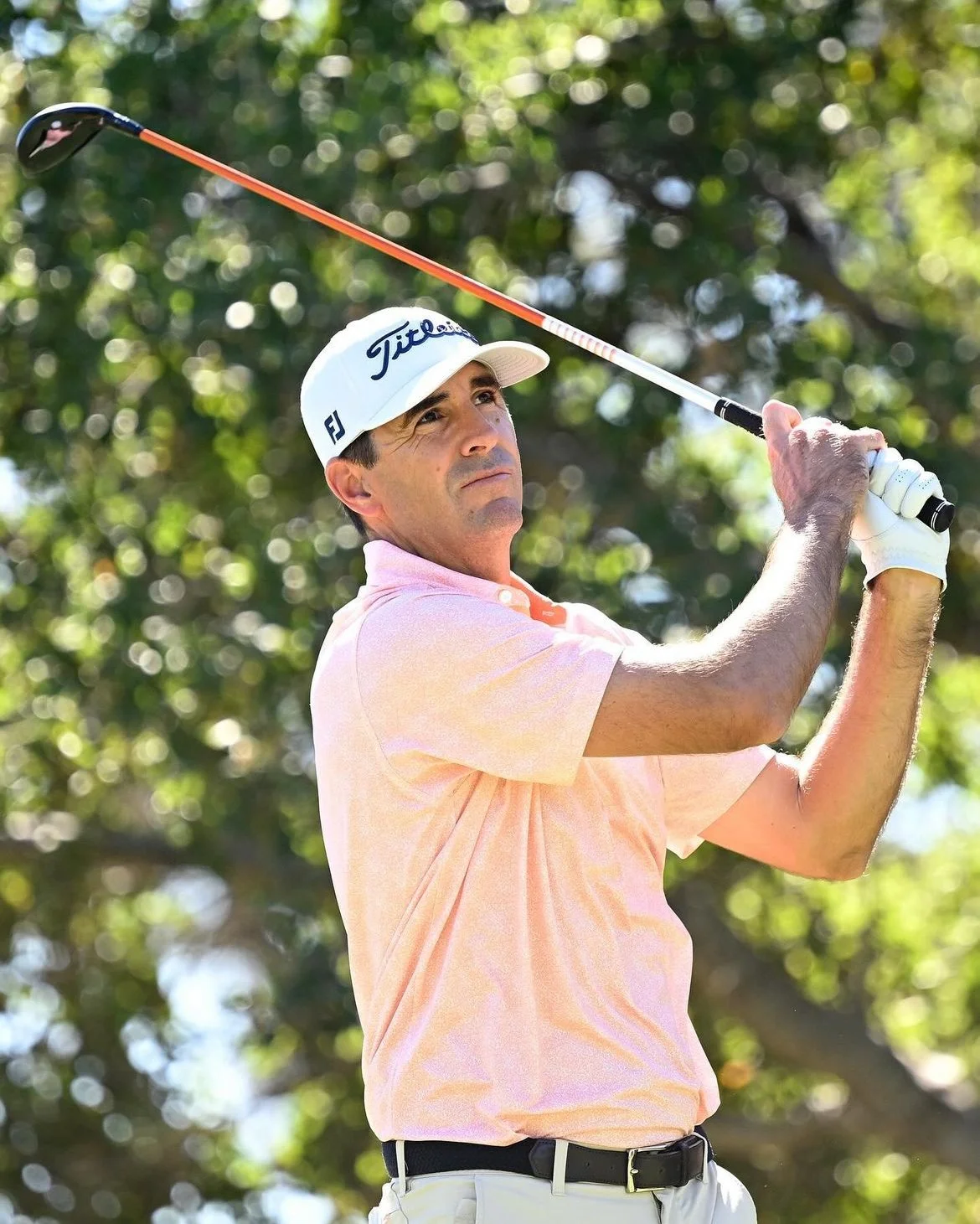
Part I: The Early Foundation (Sacramento & Haggin Oaks)
I was raised in Fair Oaks, California, as the youngest of three children. My early life was spent in the shadow of my older brother, Will, who was naturally athletic and social. At a certain point, my mother made a suggestion that quietly changed the course of my life: she felt I needed something that was "just mine," where I could spend one-on-one time with my father away from my brother’s shadow.
My father took me to the golf course. He loved the ritual and etiquette—polishing his shoes and cleaning his clubs the night before a round. My first visual impression of the game was at Poppy Hills; the perfectly manicured mower lines reminded me of a major league baseball field.
One of the most important things my dad did for me was not try to coach me. He believed in finding the right people and letting them teach, a lesson that deeply informs how I work with junior golfers and their parents today.
My formal introduction to the game came at Haggin Oaks from pro emeritus Tom LoPresti, a ninety-year-old living link to the game’s history. His lesson was simple and profound: “High hands”. He had me hit a cardboard box so the club toe would stick into it, then told me to finish high.
My first real coach, Judy Ghilarducci, instilled the discipline of repetitions. She didn’t overteach; she focused on moving through the impact zone properly with abbreviated finishes. When I complained that a proper grip felt "weird," she calmly told me I would get used to it. She was right—sound fundamentals are the only path to consistency.
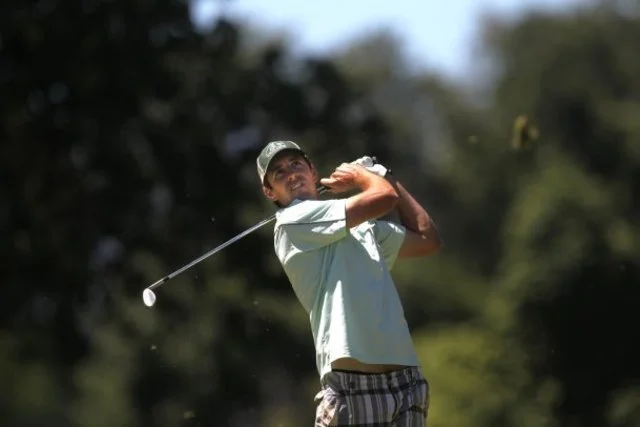
Part II: The Competitive Forge (Amateur & Collegiate)
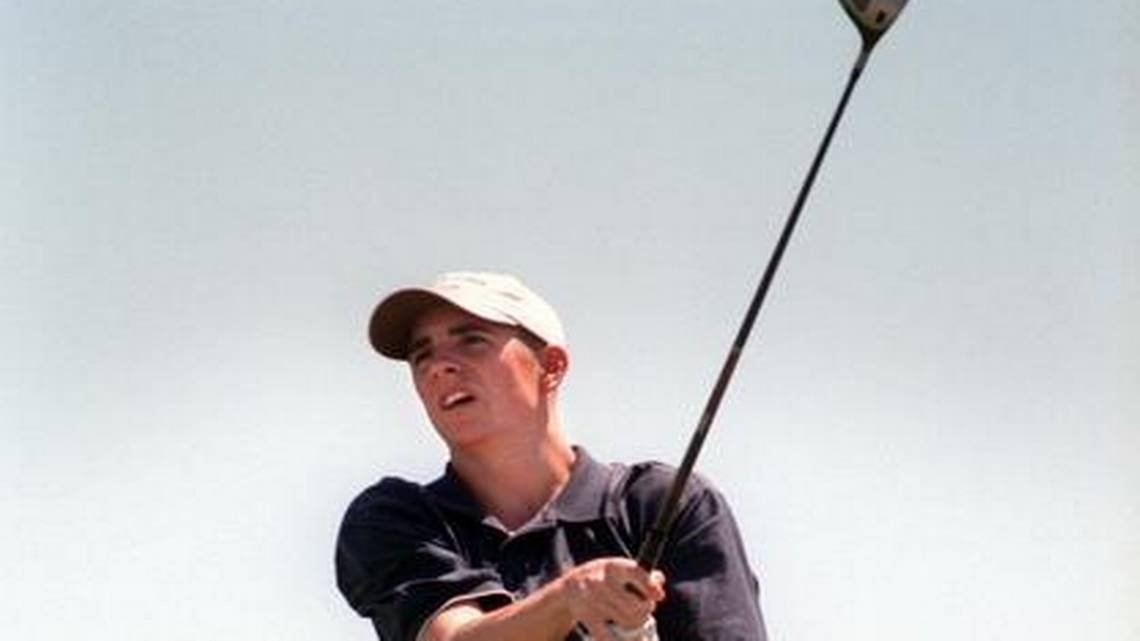
By age eleven, I realized I might actually be good after shooting 38 in my first nine-hole tournament. From there, things accelerated rapidly. At fifteen, I qualified for my first U.S. Junior Amateur; I would return twice more. At sixteen, I qualified for the U.S. Amateur at Oak Hill, turning seventeen the week of the tournament and advancing to the second round of match play.
Around this period, I began working with Butch Harmon in Las Vegas. That experience took my game to another level and shaped how I think about coaching today: find the right people and trust their process. During summers in Rochester, I began a long-term relationship with Craig Harmon at Oak Hill, who would become my coach for my entire professional career.
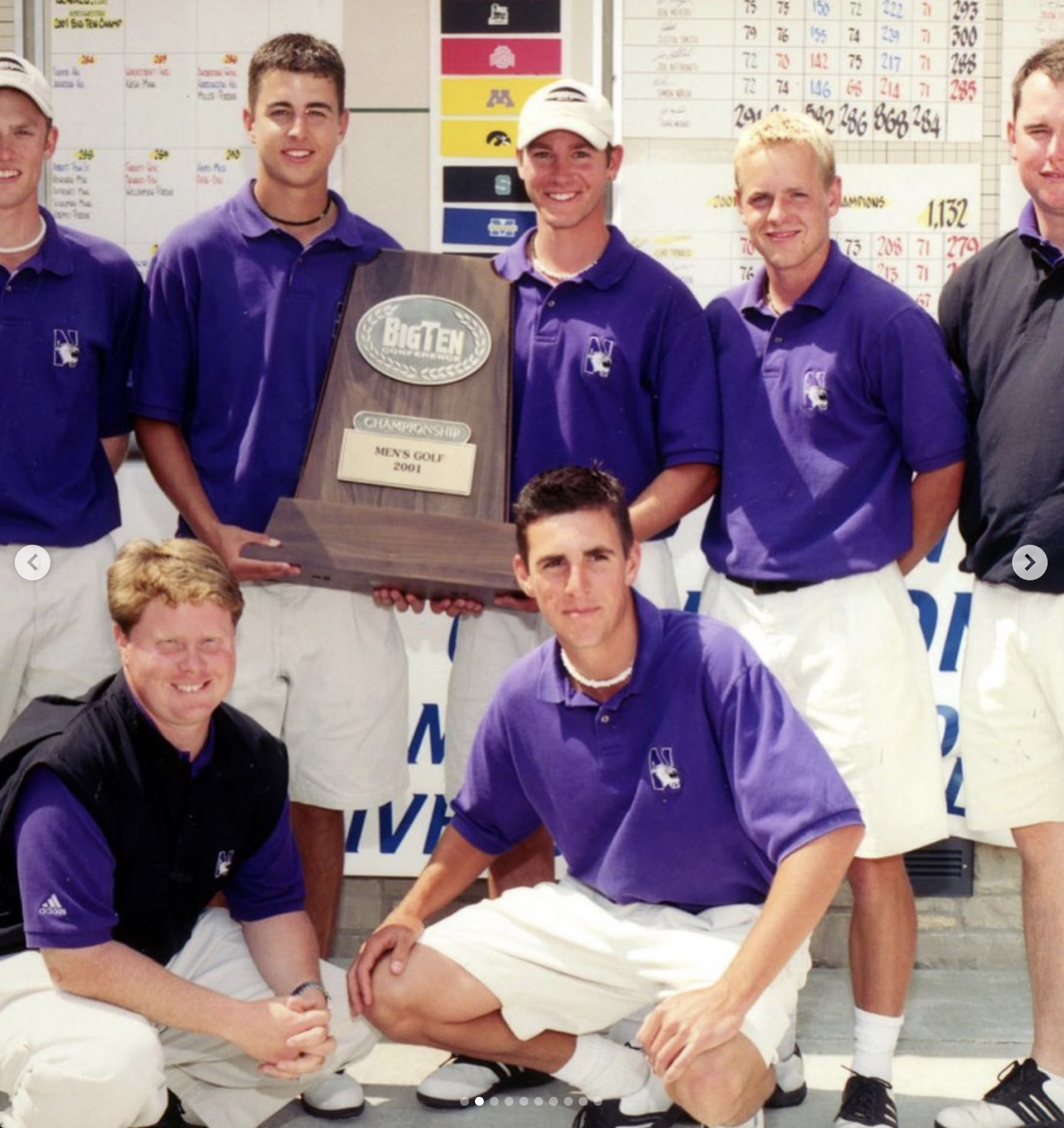
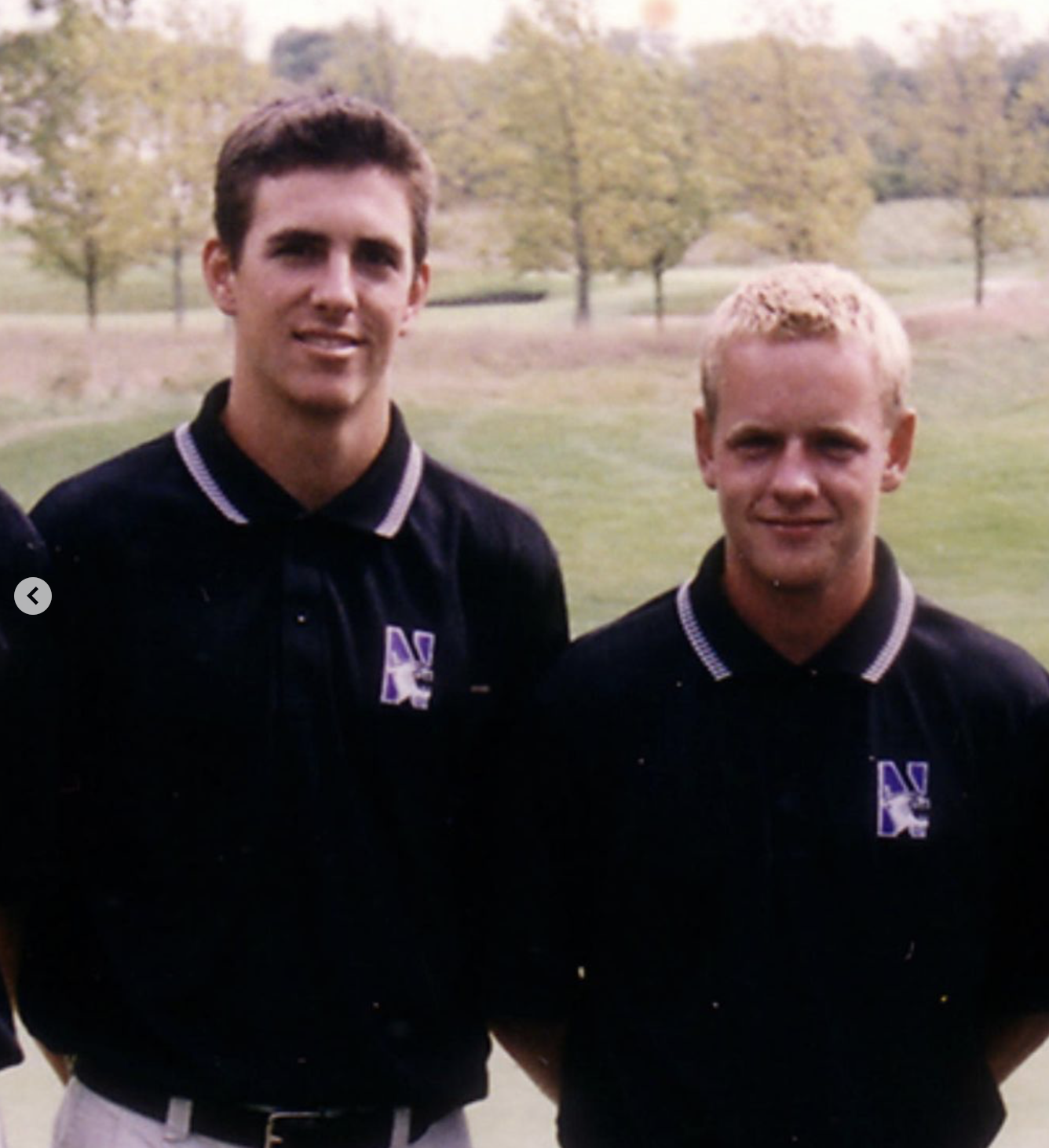
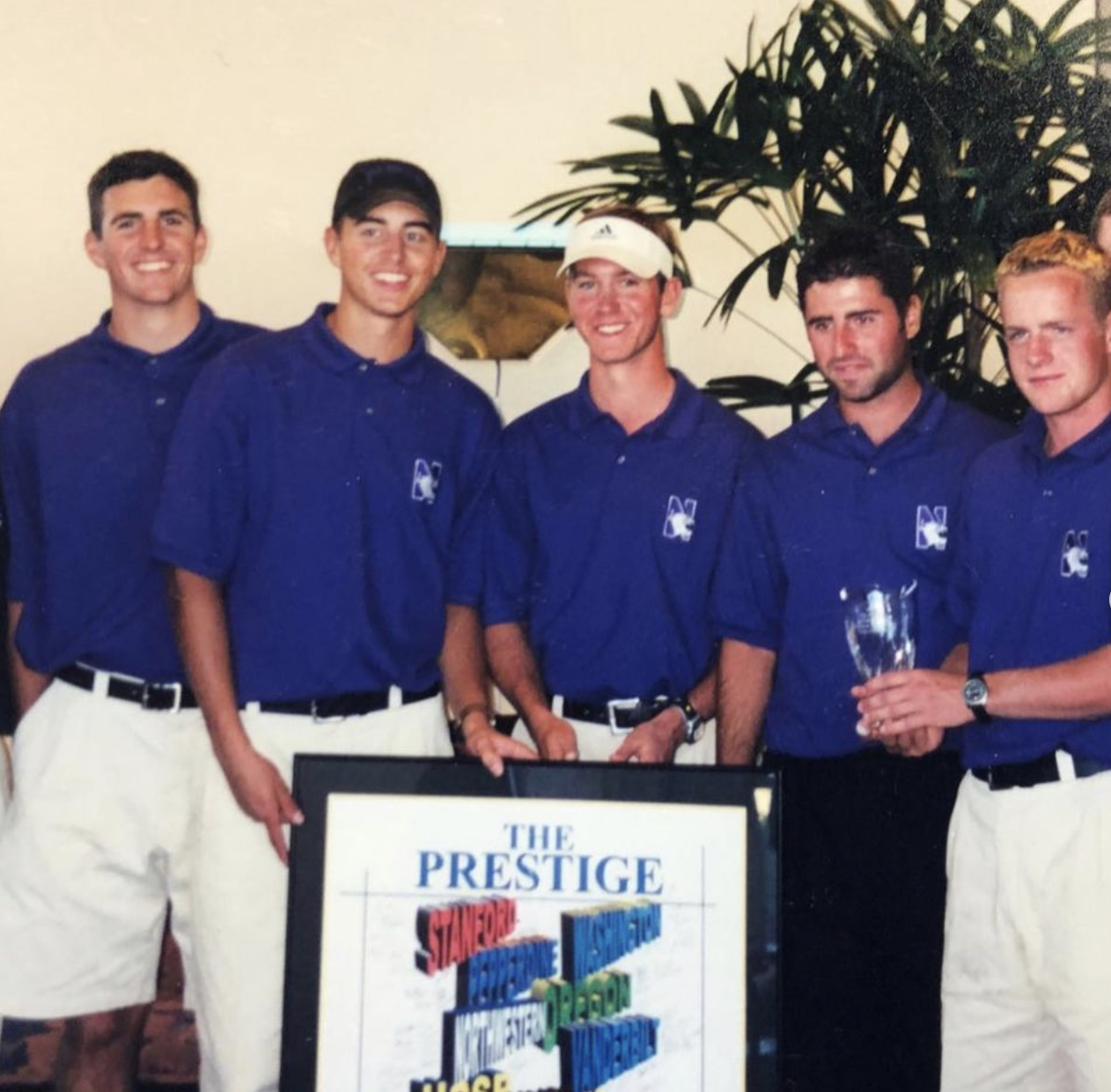
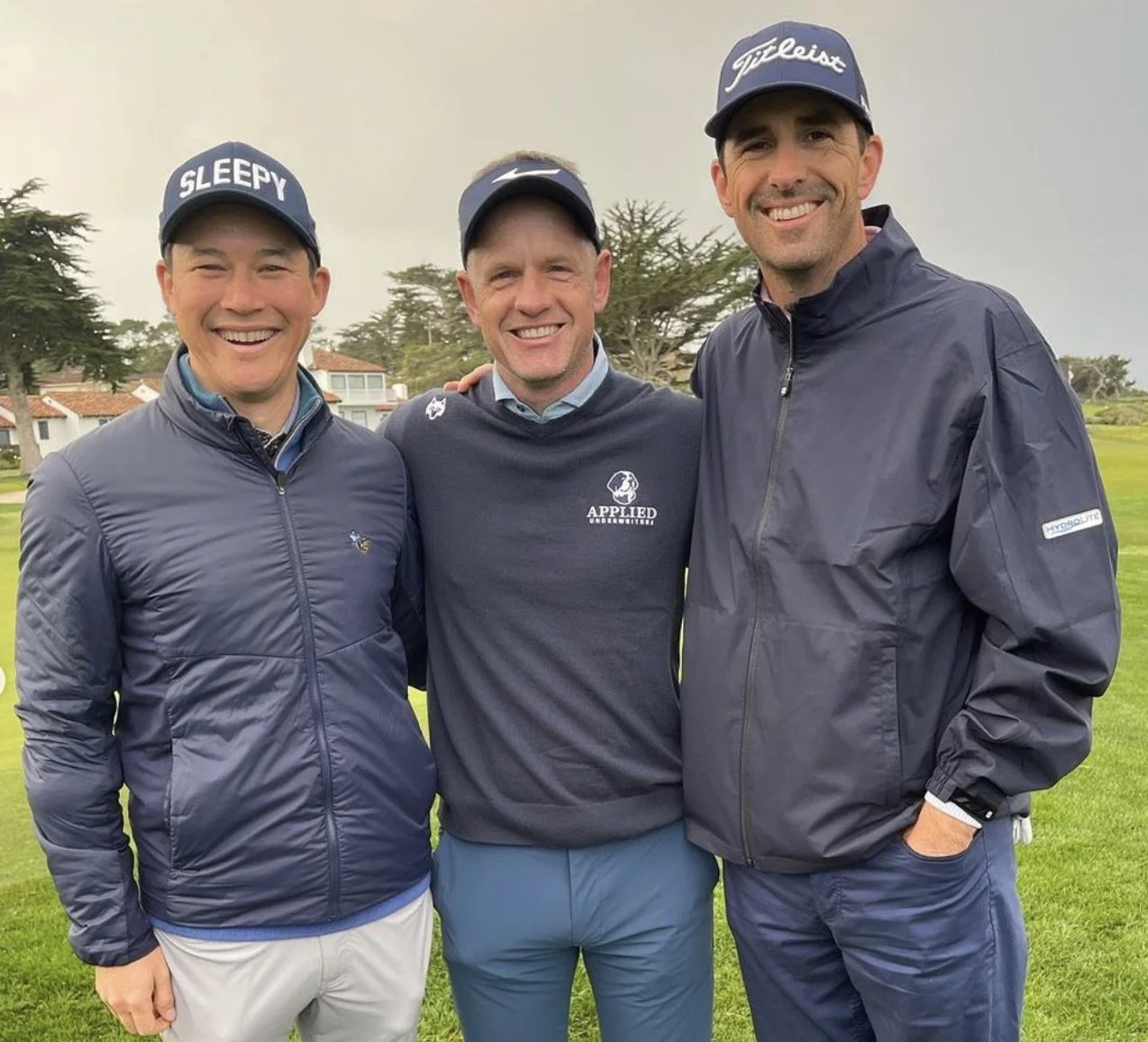
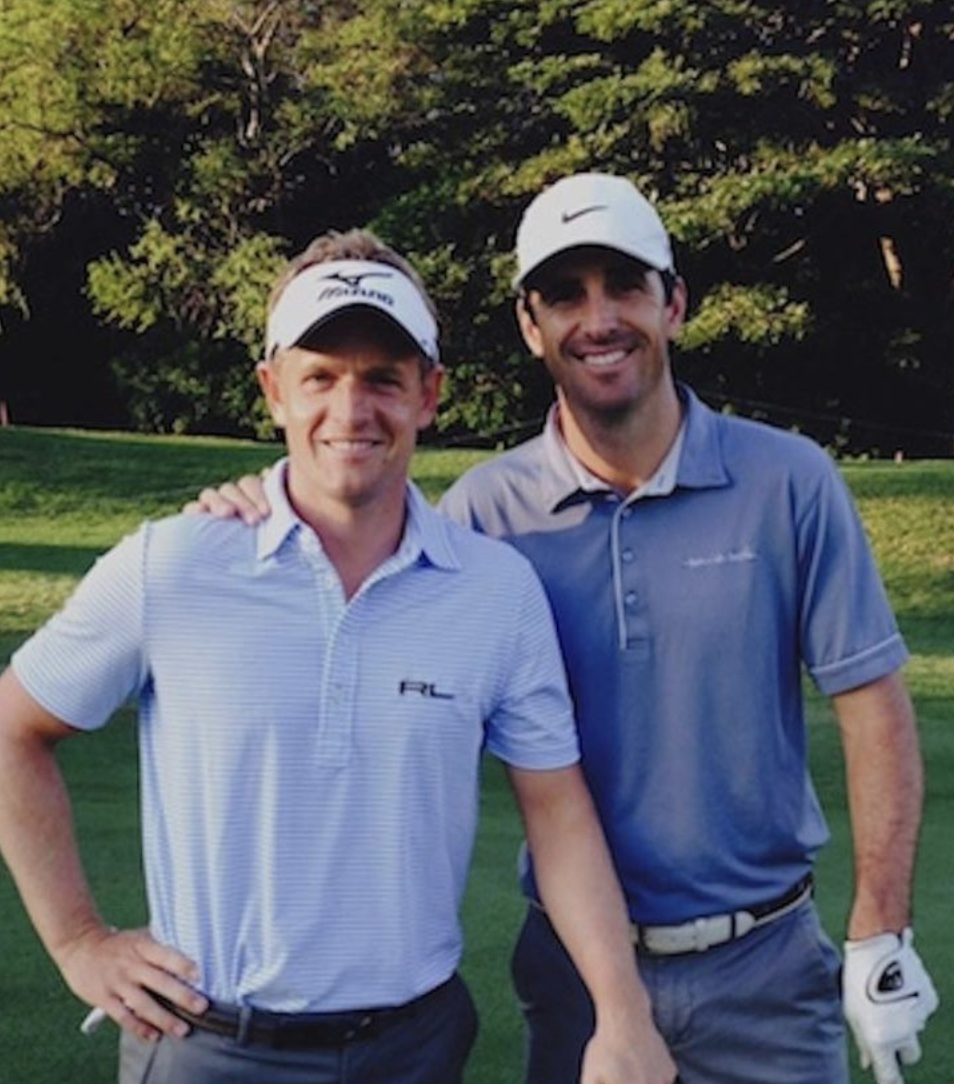
At Northwestern University, I played alongside Luke Donald, who was already the top-ranked amateur in the world. We won a Big Ten Championship together, and I was named Big Ten Freshman of the Year. My time there pushed me academically and athletically to my limits, teaching me that the differentiator at the highest level is emotional and strategic discipline.
Part III: The Arena (PGA Tour & The Pivot)
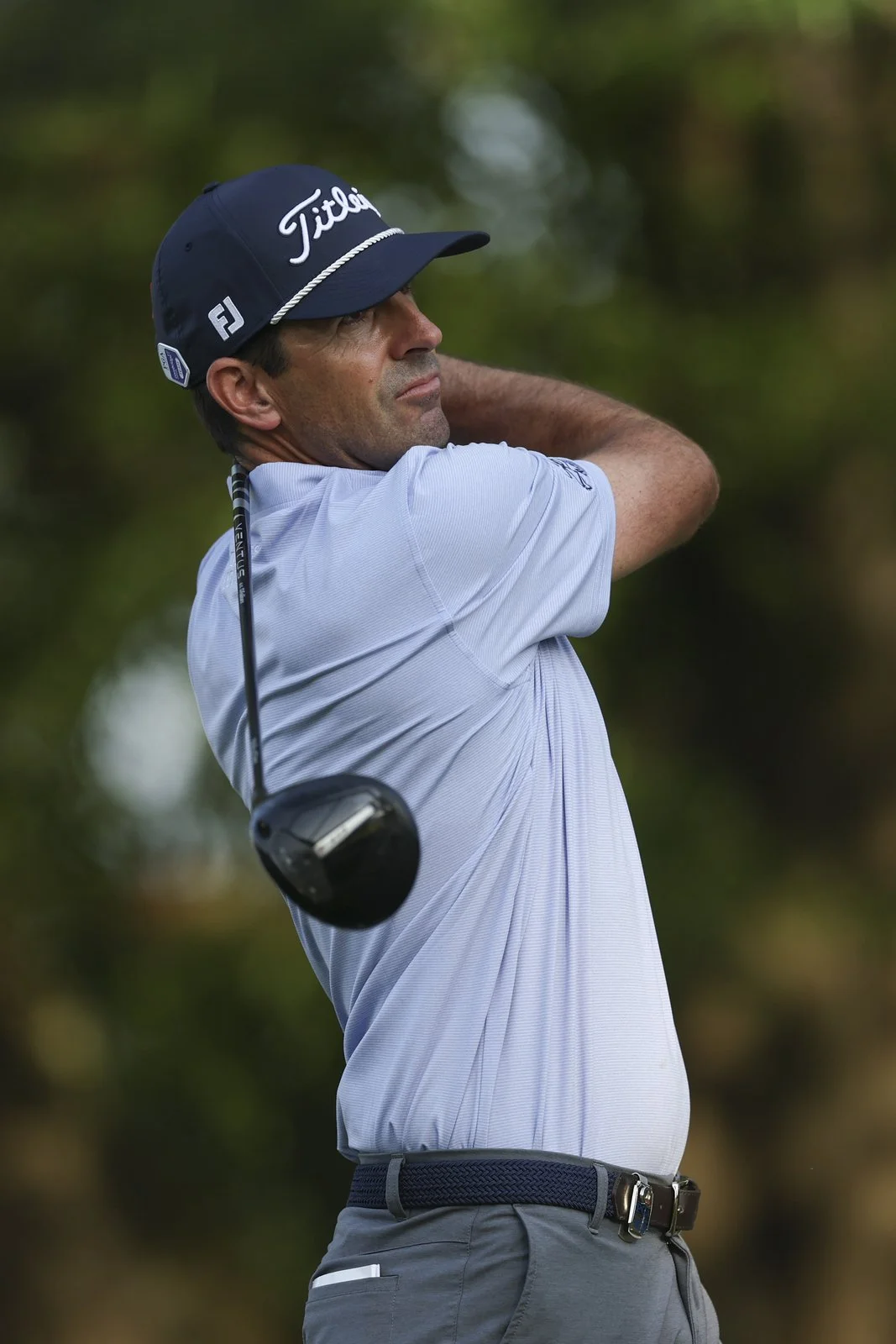
After college, I turned professional, eventually earning my PGA Tour card in 2007. Reaching that level—playing 27 events in a single season—remains one of my proudest achievements. However, it also taught me that the outcome is not ours to control.
By 2008, I began to experience burnout—an "identity narrowing" where golf had become too small a container for everything I was carrying. That same year, my father was diagnosed with stage four cancer. I walked away from tour golf and returned home.
For five years, my family leased Trinity Alps Golf Course and opened Johnson’s Steakhouse. I mowed greens, fixed irrigation, ran events, and coached high school sports. This period fundamentally reshaped my perspective on what it means to lead in golf. I learned that the game is about community, service, and resilience—not just the score on a card.
Part IV: Redemption & The Modern Professional
In 2013, I found clarity through recovery. Sobriety brought a new foundation of faith and tied golf and life together in a healthier, more honest way. I reached out to Bill Harmon, whose own recovery story resonated with me, and we began working together in 2014.
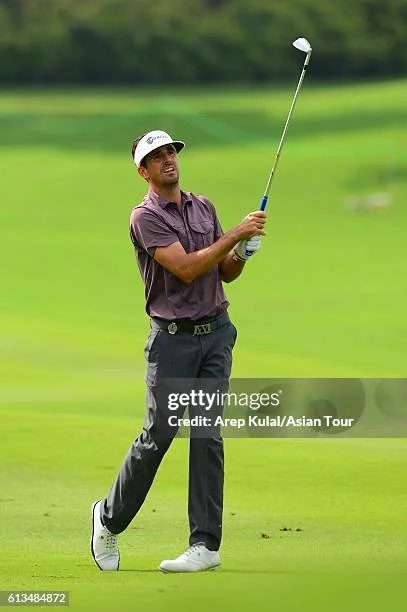
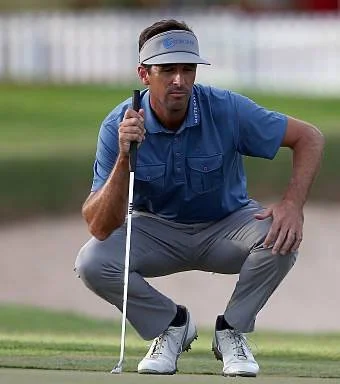
In 2015, fully grounded in my recovery, I qualified for the Sony Open—my first PGA Tour event since 2007. I later earned status on the Asian Tour, competing across the continent in 2016. When I met my wife, Caitlin, I made the decision to step away from full-time touring to build a life and start a family. I have never regretted that decision.
I began my teaching career at Golden Gate Park, a humble nine-hole course that was the perfect place to learn the craft of instruction. After nearly four years at The Olympic Club, which served as "graduate school" for teaching, I was ready to lead.
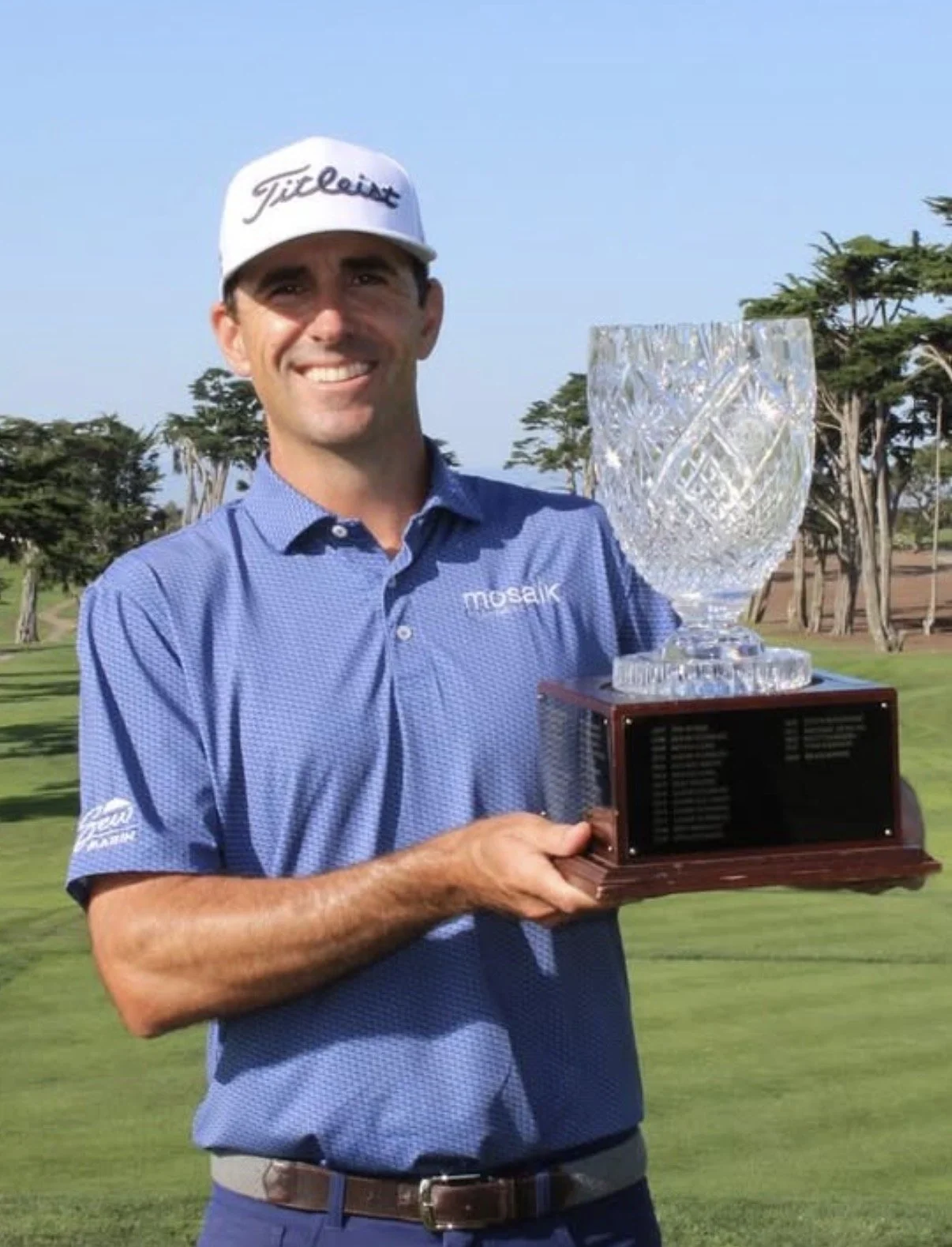
At Meadow Club, I have led renovations of the learning center and short-game facilities while mentoring staff and expanding junior programs. My breakthrough came at the PGA Championship at Quail Hollow, where I finished as one of the top-three PGA Professionals.
That week was full circle; my family, mentors, and members from both Meadow Club and Olympic Club were there. It wasn't just about the score—it was about being present. Today, teaching is my way of giving back everything the game has given me: direction, discipline, and a life I never could have planned.
Earlier this year, I accepted the position as Head of Instruction at The Stanwich Club in Greenwich, Connecticut. Caitlyn and I, along with our two boys, made the move cross country and can’t wait for what comes next!
My Vision for You: A Recipe for Success
My instruction is built on the same principles that guided my own journey. I believe every golfer is just a few adjustments away from more consistency. We strive to be brilliant at the basics, treating the setup like an aircraft's pre-flight checklist: grip, ball position, alignment, and posture.
Success is a recipe: 50% mental picture, 40% setup, and 10% swing. Whether we are "Pressing Rewind" to visualize a target or weakening a grip for an elite short game, we focus on the present moment.